Pages

Tuesday, November 12, 2024

The Importance of Tree Trimming: Health Benefits for Your Trees

Enhancing Growth and Longevity: Why Regular Tree Maintenance Matters

Tree trimming by a professional is vital for your trees’ health. It removes dead or diseased branches, stopping the spread of illness and enhancing air circulation. This encourages robust growth and redirects energy to essential areas, promoting strong branch development. Additionally, efficient trimming reduces pest habitats and increases a tree’s resistance to disease. Regular maintenance improves overall structure, minimizes safety hazards, and boosts aesthetic appeal, which can raise your property value. Engaging a certified arborist from Chips Tree Service ensures effective trimming practices tailored to your trees. If you’re curious about how to choose the right professional, there’s more to explore.

Health Benefits of Tree Trimming
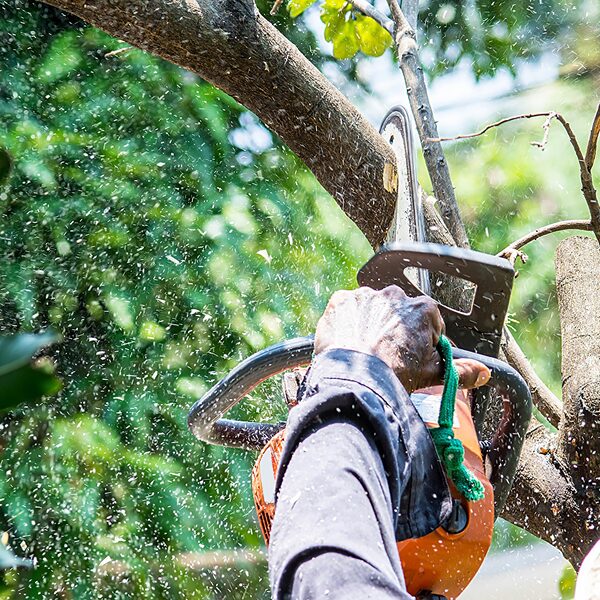
Tree Trimming Near Me Phoenix AZ

Tree trimming is essential for maintaining tree health. Regular tree trimming removes dead or diseased branches, prevents the spread of tree diseases and promotes overall health.

This process enhances air circulation within the tree canopy, supporting healthier growth patterns and improving your tree’s resilience against environmental stressors. Pruning can help redirect energy to crucial areas, stimulating strong, healthy branches and enhancing structural integrity.

Moreover, increased sunlight penetration encourages better photosynthesis, which fosters improved health and growth for both your trees and surrounding plants.

Improved Tree Structure

When you invest in regular tree trimming, you significantly enhance the overall structure of your trees.

By engaging tree care professionals, you ensure that weak or damaged branches are removed, fostering a balanced and stable growth pattern. Pruning encourages the development of a strong central leader, which is vital for maintaining a well-proportioned canopy and preventing splitting.

Improved air circulation within the canopy, achieved through strategic trimming, supports healthy growth and minimizes disease risks. Moreover, targeted pruning techniques redirect the tree’s energy toward vital areas, promoting the growth of robust branches.

This established structure enhances your tree’s aesthetic appeal and contributes to its longevity and health, ensuring it thrives for years to come.

Are you in need of services from an experienced arborist to care for your trees?

Reach out to Chips Tree Service for expert tree care and management today!

Disease and Pest Control

Through regular tree trimming, you can effectively manage disease and pest control, ensuring your trees remain healthy and vibrant.

Removing dead or diseased branches diminishes the risk of disease spread, creating a more conducive environment for growth. Trimming encourages new growth and strengthens your trees, making them more resistant to pests.

By eliminating overgrown or infested branches, you reduce habitats for harmful insects, significantly lowering the chances of infestations. Healthy trees, maintained through proper tree care, are less susceptible to diseases, which can save you money on treatment and removal costs.

Engaging certified arborists ensures that your tree trimming is performed correctly and at the right times, enhancing your trees’ overall health and vitality while supporting a balanced ecosystem.

Safety and Hazard Reduction

Proper tree trimming is essential for safety and hazard reduction around your property. Engaging in professional tree trimming helps you identify and remove unhealthy branches that pose safety risks.

Overgrown trees can obstruct sidewalks and roads, creating potential accident hazards. By maintaining a balanced tree structure, trimming reduces the likelihood of top-heavy trees causing damage or injury during storms.

Properly trimmed trees are less likely to develop hazardous conditions, promoting a safer outdoor environment for you and your guests. Regular maintenance minimizes the risk of falling branches, significantly lowering the chances of injury to people and damage to property.

Prioritizing tree trimming ensures a secure and pleasant space for everyone.

Aesthetic Improvements

Maintaining safety around your property naturally leads to a focus on aesthetic improvements.

Professional tree trimming enhances the visual appeal of your landscape by creating a tidy and attractive tree shape, which boosts curb appeal.

Well-maintained trees improve symmetry and balance and serve as focal points that draw attention and add character to outdoor spaces.

Engaging in regular tree care ensures that your trees remain healthy, promoting vibrant growth and a harmonious landscape that complements your surroundings.

These aesthetic improvements elevate your property’s attractiveness and can make a lasting impression on potential buyers.

Increased Property Value

When you invest in regular tree trimming, you enhance your landscape and significantly increase your property value.

Well-maintained trees can boost property values by up to 15%, as they contribute positively to curb appeal and overall aesthetics.

By engaging professional tree care services to trim your trees, you ensure they remain healthy and vibrant, minimizing hazards associated with weak or diseased branches.

This makes your property safer for families and creates a visually balanced outdoor space that attracts potential buyers.

A well-kept landscape reflects pride in property maintenance, which can enhance neighborhood perceptions and property assessments.

Ultimately, regularly trimming your trees is a smart investment in both safety and increased property value.

Smart Choice for Tree Care: Trust Chips Tree Service for Professional Expertise!

At Chips Tree Service, we are dedicated to providing you with the best tree care services. Choosing us means you are making a smart choice for your landscape, as we offer a wide range of professional tree services, including tree removal, tree planting, and emergency tree services.

Our experienced arborists are true tree experts who understand your trees’ unique needs and how to maintain their health and beauty.

We invite you to check out our testimonials to see how our exceptional customer service has made a difference for our clients.

With Chips Tree Service, you can trust that your trees are in the hands of professionals who genuinely care. Let us help you create and maintain a stunning landscape you’ll love for years!

Landscaping Services that we provide

Are you in need of services from an experienced arborist to care for your trees?

Reach out to Chips Tree Service for expert tree care and management today!

FAQs About Tree Care Services

Why Is It Important to Trim Trees?
Did you know that properly trimmed trees can reduce the risk of falling branches by up to 50%? Trimming promotes healthier growth, enhances structure, and minimizes hazards, ensuring your trees thrive and remain aesthetically pleasing.
What Useful Purposes Are Accomplished by Pruning Trees?
Pruning trees accomplishes several useful purposes: it removes dead or diseased branches, enhances air circulation, promotes healthy growth, balances structure, minimizes hazards, boosts fruit production, and improves aesthetic appeal, ultimately ensuring your trees thrive.
What Is the Objective of Trimming Trees?
You might think trimming trees is just for aesthetics, but it’s about health. Removing dead branches prevents disease, boosts growth, and enhances structure—ultimately ensuring your trees thrive and remain robust against environmental challenges.
What Is the Difference Between Tree Pruning and Tree Trimming?
Tree pruning focuses on removing specific branches to enhance health and growth, while tree trimming maintains shape and appearance. You can prune for vitality and trim for aesthetics, ensuring your trees thrive and look great.

Connect With Us

Phone: (602) 854-4930

Location: 1707 S 22nd Ave Phoenix AZ 85009


source https://treeservicephoenix.com/blog/the-importance-of-tree-trimming-health-benefits-for-your-trees/

Friday, November 8, 2024

Is it possible to save a tree instead of removing it?

Trees are essential for the environment, providing numerous benefits such as clean air, habitat for wildlife, and aesthetic beauty. However, there are circumstances when tree removal becomes necessary. In such cases, it is essential to consider whether it is possible to save a tree instead of removing it. Professional tree removal companies and tree removal experts play a crucial role in helping make this decision. In this comprehensive discussion, we will explore the various aspects of tree preservation and the factors that determine whether a tree can be saved or not.

The Importance of Trees

Before delving into the possibility of saving trees, it is essential to understand why trees are valuable and worth preserving. Trees offer numerous ecological, economic, and social benefits:

Environmental Benefits: Trees are known for their ability to absorb carbon dioxide and release oxygen through photosynthesis, helping mitigate climate change by reducing greenhouse gas levels. They also filter air pollutants, improving air quality.

Wildlife Habitat: Trees provide shelter and food for a wide variety of wildlife species. They are critical components of ecosystems, supporting biodiversity.

Aesthetic Value: Trees enhance the beauty of landscapes, providing shade, color, and texture. Well-maintained trees increase property values and make communities more attractive.

Energy Efficiency: Strategically placed trees around buildings can reduce energy consumption by providing shade in the summer and windbreaks in the winter, leading to lower heating and cooling costs.

Stormwater Management: Trees help control water runoff and prevent soil erosion, reducing the risk of flooding and maintaining water quality.

Given these invaluable benefits, it is crucial to explore ways to save trees whenever possible, especially when faced with the prospect of professional tree removal.

Factors Influencing Tree Removal

Professional tree removal companies are often called upon to address situations where tree removal is deemed necessary. Several factors can necessitate the removal of a tree:

Disease and Decay: When a tree becomes infested with pests or succumbs to diseases, it may pose a risk to surrounding trees and structures. Removing the tree is often the best option to prevent further infestation or disease spread.

Structural Instability: Trees with compromised structural integrity due to damage from storms, age, or other factors may become hazardous. In such cases, removal is a safety precaution.

Root Damage: Extensive root damage can destabilize a tree, making it prone to falling. This is often the case when roots are damaged during construction or if they are causing damage to infrastructure.

Space Constraints: In urban and suburban areas, trees may need to be removed to make way for development, road expansion, or building construction.

Dying or Dead Trees: Dead or dying trees are not only unsightly but can also pose significant safety hazards. They can drop branches or fall over unpredictably, making removal necessary.

Invasive Species: Some trees, if left uncontrolled, can become invasive and crowd out native species. Removing such trees may be necessary to protect the local ecosystem.

Tree Health: Trees that are in poor health, with minimal chances of recovery, may need to be removed to prevent them from becoming a liability.

Is it Possible to Save a Tree?

While tree removal may be necessary in some cases, it is essential to explore whether there are alternatives that can allow trees to be saved. Here are several factors and methods to consider:

Health Assessment: The first step is to have a professional tree removal company or tree removal experts assess the health and condition of the tree. They can determine if the tree’s issues are treatable or if it poses an immediate threat.

Pruning and Maintenance: Regular pruning and maintenance can extend the life of a tree by removing dead or diseased branches and promoting healthy growth. Proper care can often restore a tree’s vitality.

Disease and Pest Control: If a tree is suffering from diseases or pest infestations, there are treatment options available. Professional arborists can diagnose the issue and prescribe appropriate treatments.

Support Systems: In cases where a tree’s structural integrity is compromised, support systems like cabling and bracing can be installed to stabilize the tree and reduce the risk of failure.

Root Zone Protection: Protecting a tree’s root zone during construction or landscaping projects can prevent root damage and preserve the tree’s health.

Soil Improvement: Soil compaction and nutrient deficiencies can harm a tree’s health. Soil aeration, mulching, and fertilization can improve soil conditions and benefit the tree.

Transplanting: If a tree needs to be relocated due to construction, it is possible to transplant it to another location where it can continue to thrive.

Species Selection: When planting new trees, selecting species that are well-suited to the local environment and climate can improve their chances of survival and longevity.

Community Efforts: In some cases, community efforts and cooperation can help save trees. Residents and local organizations can work together to protect and preserve significant trees in the area.

The Role of Professional Tree Removal Companies

Professional tree removal companies and tree removal experts play a pivotal role in the decision-making process regarding tree preservation. They possess the expertise and experience needed to assess a tree’s condition and recommend appropriate actions. Here’s how they contribute to the preservation of trees:

Expert Assessment: Arborists and tree removal experts have the knowledge and tools to conduct thorough assessments of a tree’s health and stability. Their expertise enables them to make informed decisions about whether a tree can be saved or should be removed.

Treatment Options: When a tree is diseased or infested with pests, professionals can recommend and administer treatments to combat the issue. These treatments may include pruning, pesticide application, or other interventions.

Safety Precautions: If a tree poses a safety hazard, tree removal experts can safely and efficiently remove it, minimizing the risk to people and property. This is especially important in emergency situations following storms or accidents.

Tree Preservation Techniques: Arborists are trained in tree preservation techniques, such as crown reduction, to mitigate issues like overhanging branches while maintaining the overall health of the tree.

Transplantation: In cases where trees need to be relocated due to construction or development, professionals can facilitate the transplanting process to ensure the tree’s survival in its new location.

Educational Outreach: Arborists and tree removal experts can educate property owners and communities about the value of trees and the importance of tree preservation. This awareness can lead to more informed decisions about tree care.

Case Studies: Saving Trees in Practice

Let’s explore a few real-world examples where trees were successfully saved through professional intervention and careful consideration:

Tree Transplantation in Urban Development: In a growing city where a new office complex was planned, several mature trees were in the way of construction. Rather than cutting them down, a team of arborists carefully transplanted these trees to a nearby park. With proper care and attention, the transplanted trees continued to thrive, providing shade and aesthetic beauty to the park.

Disease Management: In a suburban neighborhood, an outbreak of a tree disease threatened the health of numerous oak trees. Arborists were called in to assess the situation. They identified the disease and implemented a treatment plan, which involved pruning infected branches and applying fungicides. Through ongoing monitoring and care, many of the affected trees recovered, saving them from removal.

Root Zone Protection: During a construction project near a residential area, the roots of several large trees were at risk of being damaged. Arborists recommended root zone protection measures, including fencing off the critical root zone and using specialized equipment to minimize soil compaction. These efforts helped preserve the trees and maintain the neighborhood’s greenery.

Cabling and Bracing: In a public park, a majestic oak tree had developed multiple trunks, causing concern about stability. Instead of removing the tree, arborists installed cabling and bracing systems to reinforce its structure. Over time, the tree’s stability improved, and it continued to provide shade and beauty to the park.

Challenges and Limitations

While saving trees is a noble endeavor, there are challenges and limitations to consider:

Cost: Preserving trees often requires ongoing maintenance and treatment, which can be costly. Property owners and communities may need to allocate resources to ensure the tree’s health.

Space Constraints: In urban areas, limited space can make it difficult to accommodate large, mature trees. Balancing development needs with tree preservation can be challenging.

Species Compatibility: Not all tree species are suitable for every environment. Choosing the right tree for a given location is crucial for long-term preservation.

Environmental Stressors: Climate change and environmental stressors can make it more challenging to preserve trees. Extreme weather events, pests, and diseases may become more prevalent and require increased efforts to protect trees.

Public Perception: Some individuals and organizations may not fully understand the value of trees or the importance of preservation efforts. Public education and awareness campaigns may be necessary to garner support for tree preservation.

Trees are invaluable assets to our environment, providing a wide range of benefits that contribute to our well-being and the health of our planet. While there are circumstances that necessitate professional tree removal, it is essential to explore every possible avenue to save trees whenever feasible. Professional tree removal companies and tree removal experts are instrumental in this process, offering their expertise to assess tree health, recommend treatments, and provide solutions for tree preservation.

Through careful assessment, regular maintenance, disease management, and support systems like cabling and bracing, many trees can be saved from removal. Additionally, community efforts and awareness campaigns can foster a greater appreciation for trees and the importance of preserving them.

In a world where climate change and environmental degradation are pressing concerns, the preservation of trees takes on added significance. Trees act as natural climate regulators, improve air quality, and support biodiversity. By actively seeking ways to save trees rather than remove them, we contribute to the sustainability of our communities and the well-being of future generations. Saving a tree is not just an ecological choice; it’s a commitment to a healthier, more beautiful world.


source https://treeservicephoenix.com/blog/is-it-possible-to-save-a-tree-instead-of-removing-it/

Do I need a permit to remove a tree on my property?

Local tree removal, emergency tree removal, and tree cutting services are essential components of property maintenance and safety. However, when it comes to removing trees from your property, it’s crucial to understand the permitting process. Trees offer numerous benefits, including shade, oxygen production, and aesthetic value, but there are situations where tree removal becomes necessary for safety, property improvement, or development reasons. In this comprehensive guide, we will delve into the intricacies of tree removal permits, discussing when they are required, the application process, and the significance of adhering to local regulations.

Understanding the Importance of Trees

Before diving into the specifics of tree removal permits, it’s essential to recognize the vital role that trees play in our environment and our lives. Trees offer numerous benefits, including:

Environmental Benefits:

Oxygen Production: Trees absorb carbon dioxide and release oxygen through photosynthesis, helping to combat climate change.

Air Quality Improvement: Trees act as natural air filters, trapping pollutants and releasing clean, fresh air.

Habitat for Wildlife: Trees provide shelter and food for various wildlife species.

Soil Erosion Control: Tree roots stabilize soil, preventing erosion and preserving the landscape.

Temperature Regulation: Trees provide shade, reducing heat and energy consumption in urban areas.

Aesthetic and Property Value:

Curb Appeal: Well-maintained trees enhance the beauty of your property and neighborhood.

Increased Property Value: Mature trees can significantly increase the value of your home.

Privacy: Trees act as natural screens, providing privacy from neighboring properties.

When Is Tree Removal Necessary?

While trees offer numerous benefits, there are situations where tree removal becomes a necessity:

Safety Concerns:

Dead or Dying Trees: Trees in poor health pose a hazard, as they can fall unexpectedly.

Storm-Damaged Trees: Trees damaged by severe weather events can be unstable and must be removed promptly.

Diseased Trees: Infected trees can spread diseases to healthy trees, necessitating their removal.

Overgrown Trees: Trees that have outgrown their space may pose a risk to structures or utility lines.

Property Improvement:

Clearing Space: Removing trees can create space for construction, landscaping, or other property improvements.

Disease Prevention: Removing trees affected by pests or diseases can prevent further infestations.

Aesthetic Enhancements: Removing unsightly or poorly placed trees can improve the overall appearance of your property.

Development:

Construction Projects: Trees may need to be removed to make way for new buildings, roads, or infrastructure.

Land Zoning: Local regulations and zoning laws may require tree removal for development purposes.

The Tree Removal Permit Process

Now that we understand the circumstances under which tree removal becomes necessary, let’s explore the tree removal permit process:

Local Regulations:

Every locality has its own set of regulations governing tree removal. These regulations can vary widely, so it’s essential to consult your local government or forestry department to understand the specific requirements in your area.

Permit Types:

There are typically two types of tree removal permits:

Standard Tree Removal Permit: Required for routine tree removal, such as for property improvement or aesthetic reasons.

Emergency Tree Removal Permit: Issued for immediate tree removal in situations where there is an imminent safety risk.

Application Process:

When a tree removal permit is required, you will need to submit an application to the relevant local authority.

The application will typically include information such as the tree’s location, size, species, and reason for removal.

Some applications may require supporting documents, such as an arborist’s report or a tree preservation plan.

The local authority will review your application and may conduct an on-site inspection before issuing the permit.

Approval Timeline:

The time it takes to obtain a tree removal permit can vary depending on your locality and the complexity of your application.

Emergency tree removal permits are typically expedited to address immediate safety concerns.

The Significance of Adhering to Local Regulations

Adhering to local regulations regarding tree removal is essential for several reasons:

Legal Compliance:

Failure to obtain the necessary permits can result in legal consequences, including fines and penalties.

Non-compliance may also lead to a stop-work order, halting your project until the required permits are obtained.

Environmental Preservation:

Local regulations are designed to protect the environment by ensuring that tree removal is done responsibly and in a manner that minimizes harm to surrounding ecosystems.

Community Harmony:

Respecting local regulations helps maintain a harmonious community by preventing disputes with neighbors over tree removal issues.

Local Tree Removal Services

For property owners considering tree removal, it’s essential to hire professional tree cutting services. These services have the expertise and equipment required to safely and effectively remove trees:

Choosing a Tree Cutting Service:

When selecting a tree cutting service, consider factors such as experience, certifications, insurance, and customer reviews.

Request multiple quotes to ensure a competitive price for the removal.

Safety Precautions:

Professional tree cutting services prioritize safety for both their workers and your property.

They use specialized equipment and techniques to ensure controlled tree removal.

Proper Disposal:

Responsible tree cutting services will handle the disposal of tree debris, often recycling it as wood chips or mulch.

Emergency Tree Removal

Emergency tree removal is a specialized service required in urgent situations to mitigate immediate safety risks. Some key aspects of emergency tree removal include:

Immediate Response:

Emergency tree removal services are available 24/7 to address situations like fallen trees blocking roads or endangering structures.

Safety Measures:

Professionals prioritize safety during emergency removal to prevent further damage or harm.

Documentation:

While emergency removal may not always require a permit upfront, it’s crucial to document the situation and follow up with the necessary permits as soon as possible.

In conclusion, understanding the importance of trees, recognizing when tree removal is necessary, and adhering to local regulations are essential steps for property owners. Local tree removal, emergency tree removal, and tree cutting services play vital roles in maintaining the safety and aesthetics of your property.

Remember that tree removal is not a decision to be taken lightly. It should be approached with careful consideration of the environmental impact, safety concerns, and compliance with local regulations. Always consult with your local authorities and seek professional advice from tree cutting services when necessary to ensure a smooth and responsible tree removal process. By doing so, you can strike a balance between property maintenance and preserving the natural beauty of your surroundings.


source https://treeservicephoenix.com/blog/do-i-need-a-permit-to-remove-a-tree-on-my-property/

Why should I consider tree removal?

Tree removal is a crucial aspect of maintaining a safe and aesthetically pleasing environment in your property. Whether you have a tree that poses a safety hazard, is diseased, or simply obstructs your view, understanding the importance of tree removal is essential. In this comprehensive guide, we will delve into the various reasons why you should consider tree removal, the benefits it offers, and how to find a reliable tree removal service near you. Whether you’re a homeowner or a property manager, this information will help you make informed decisions regarding tree removal.

Safety Concerns

One of the primary reasons to consider tree removal is safety. Trees, while providing numerous benefits, can also become hazardous when they pose a risk to people and property. Here are some safety concerns that may necessitate tree removal:

1. Dead or Dying Trees: Trees that are dead or dying are unstable and more likely to fall during storms or high winds. These trees can cause significant damage to your property or pose a risk to people walking or standing nearby.

2. Diseased Trees: Trees afflicted by diseases can weaken over time, making them susceptible to falling. Removing diseased trees not only safeguards your property but also prevents the spread of diseases to other healthy trees in your vicinity.

3. Overgrown Branches: Overgrown branches can interfere with power lines, posing a fire hazard or causing power outages. They can also obstruct visibility on roads and driveways, increasing the risk of accidents.

4. Leaning Trees: Trees that lean precariously can fall unexpectedly, especially during adverse weather conditions. Prompt removal of such trees is essential to prevent accidents and property damage.

5. Root Damage: Trees with extensive root systems can damage underground utilities, foundations, and sidewalks. Addressing this issue through tree removal can prevent costly repairs in the future.

By identifying and addressing these safety concerns, you can create a safer environment for yourself, your family, and your neighbors.

Property Aesthetics

Maintaining the aesthetics of your property is another significant reason to consider tree removal. While trees add beauty and character to your landscape, there are instances when their presence can detract from the overall appeal of your property. Here are some scenarios where tree removal can enhance your property’s aesthetics:

1. Overcrowding: Too many trees in a confined space can result in overcrowding, making your landscape appear cluttered and untidy. Removing excess trees can open up space and improve the visual appeal of your property.

2. Obstruction of Views: If a tree obstructs a picturesque view, such as a scenic vista, lake, or mountain range, it may be worth considering removal to regain that visual amenity.

3. Poorly Placed Trees: Trees planted too close to buildings or structures can cause shading issues, damage to foundations, and maintenance problems. Removing these trees can improve the functionality of your property.

4. Invasive Species: Some tree species can be invasive, spreading rapidly and overtaking native plants. Removing invasive trees can help restore the ecological balance in your landscape.

5. Landscaping Projects: When planning landscaping projects, such as installing a new garden or constructing a patio, tree removal may be necessary to create space and achieve the desired layout.

By strategically removing trees that detract from your property’s aesthetics, you can enhance its overall beauty and value.

Health and Growth of Other Trees

The health and growth of other trees on your property can be negatively impacted by the presence of certain trees. Here’s why tree removal is crucial for the well-being of your entire landscape:

1. Competition for Resources: Large trees with extensive root systems can compete with nearby trees for essential resources like water and nutrients. This competition can lead to stunted growth and weakened trees. Removing overcrowding or resource-hogging trees can benefit the overall health of your landscape.

2. Disease Prevention: Trees infected with diseases can serve as reservoirs for pathogens that can spread to neighboring trees. Removing diseased trees can prevent the further spread of diseases, protecting the health of other trees.

3. Sunlight Access: Some trees can cast dense shade, limiting sunlight access to other plants on your property. Sunlight is vital for photosynthesis and the growth of various plant species. Removing shade-casting trees can promote the healthy growth of other plants.

4. Root Damage: Aggressive tree roots can damage the root systems of nearby trees, affecting their stability and overall health. Removing trees with invasive roots can prevent such damage.

Prioritizing the health and growth of your trees requires careful consideration of when and why to remove certain trees that may hinder the well-being of others.

Property Value and Functionality

Tree removal can significantly impact the value and functionality of your property. Here are some ways it can enhance these aspects:

1. Increased Property Value: Removing hazardous or unsightly trees can increase the market value of your property. Buyers are often willing to pay more for a property that is well-maintained and free from safety hazards.

2. Enhanced Functionality: Removing trees that obstruct driveways, pathways, or parking areas can improve the functionality of your property. This is especially important for businesses, as it ensures easy access for customers and employees.

3. Construction and Development: When planning construction or development projects, tree removal may be necessary to create space for buildings, roads, or infrastructure. This can be crucial for expanding your property or accommodating new developments.

4. Pest Control: Some trees attract pests like termites or carpenter ants, which can damage your property’s structure. Removing these trees can help control pest infestations and protect your property.

5. Storm Damage Prevention: Removing weak or damaged trees can reduce the risk of storm-related damage to your property, such as fallen branches or uprooted trees.

Considering these factors, tree removal can be a strategic investment in the overall value and functionality of your property.

Environmental Considerations

While tree removal is often necessary for safety and property maintenance, it’s essential to consider the environmental impact of these actions. Here’s how you can approach tree removal with environmental responsibility in mind:

1. Sustainable Practices: When removing trees, opt for sustainable practices such as recycling wood materials or replanting native species. This helps offset the environmental impact of tree removal.

2. Invasive Species Management: Removing invasive tree species can have a positive impact on the local ecosystem by preventing the spread of non-native plants that can harm native flora and fauna.

3. Tree Replacement: Whenever possible, consider replacing removed trees with native species that support local wildlife and biodiversity.

4. Consultation with Experts: Consult with arborists or forestry professionals who can provide guidance on responsible tree removal practices.

By considering the environmental implications of tree removal, you can contribute to the long-term health and sustainability of your local ecosystem.

How to Find a Reliable Tree Removal Service Near You

Now that we’ve explored the various reasons why you should consider tree removal, let’s discuss how to find a reliable tree removal service near you. Choosing the right service provider is crucial to ensure the job is done safely and professionally. Here are some steps to help you find the right tree removal service:

1. Research Local Options: Start by conducting an online search for tree removal services in your area. You can use search terms like “tree removal near me” to find local providers.

2. Check Credentials: Look for tree removal companies that are licensed, insured, and certified by industry organizations like the International Society of Arboriculture (ISA). These credentials indicate that the company adheres to professional standards and safety practices.

3. Read Reviews: Read online reviews and testimonials from previous customers to gauge the reputation and quality of service of potential providers.

4. Request Quotes: Contact multiple tree removal companies to request quotes for your specific project. Compare prices, services offered, and the estimated timeline for completion.

5. Ask for References: Don’t hesitate to ask for references from past clients. A reputable tree removal service should be willing to provide references that you can contact for feedback.

6. Verify Insurance: Ensure that the tree removal company has adequate liability insurance to cover any potential damages to your property during the removal process.

7. Get a Written Contract: Once you’ve chosen a tree removal service, make sure to get a detailed written contract that outlines the scope of work, cost, timeline, and any warranties or guarantees offered.

8. Safety Measures: Inquire about the safety measures the company will take during the tree removal process to protect your property and ensure the safety of their workers.

9. Equipment and Expertise: Ask about the equipment and expertise the company has for the specific type of tree removal you require. Different projects may require different equipment and techniques.

10. Permits and Regulations: Check if the tree removal service is familiar with local regulations and permit requirements for tree removal in your area. They should be able to assist with obtaining any necessary permits.

In conclusion, tree removal is a crucial aspect of property maintenance that can enhance safety, aesthetics, property value, and environmental sustainability. By considering the safety concerns posed by trees, their impact on aesthetics, the health of other trees, property value, and the environment, you can make informed decisions about when and why to remove trees from your property.

When seeking a tree removal service near you, it’s essential to research and choose a reputable provider that meets your specific needs and adheres to professional standards. By following the steps outlined in this guide, you can ensure that tree removal is carried out safely and efficiently, contributing to the overall well-being of your property and the environment.


source https://treeservicephoenix.com/blog/why-should-i-consider-tree-removal/

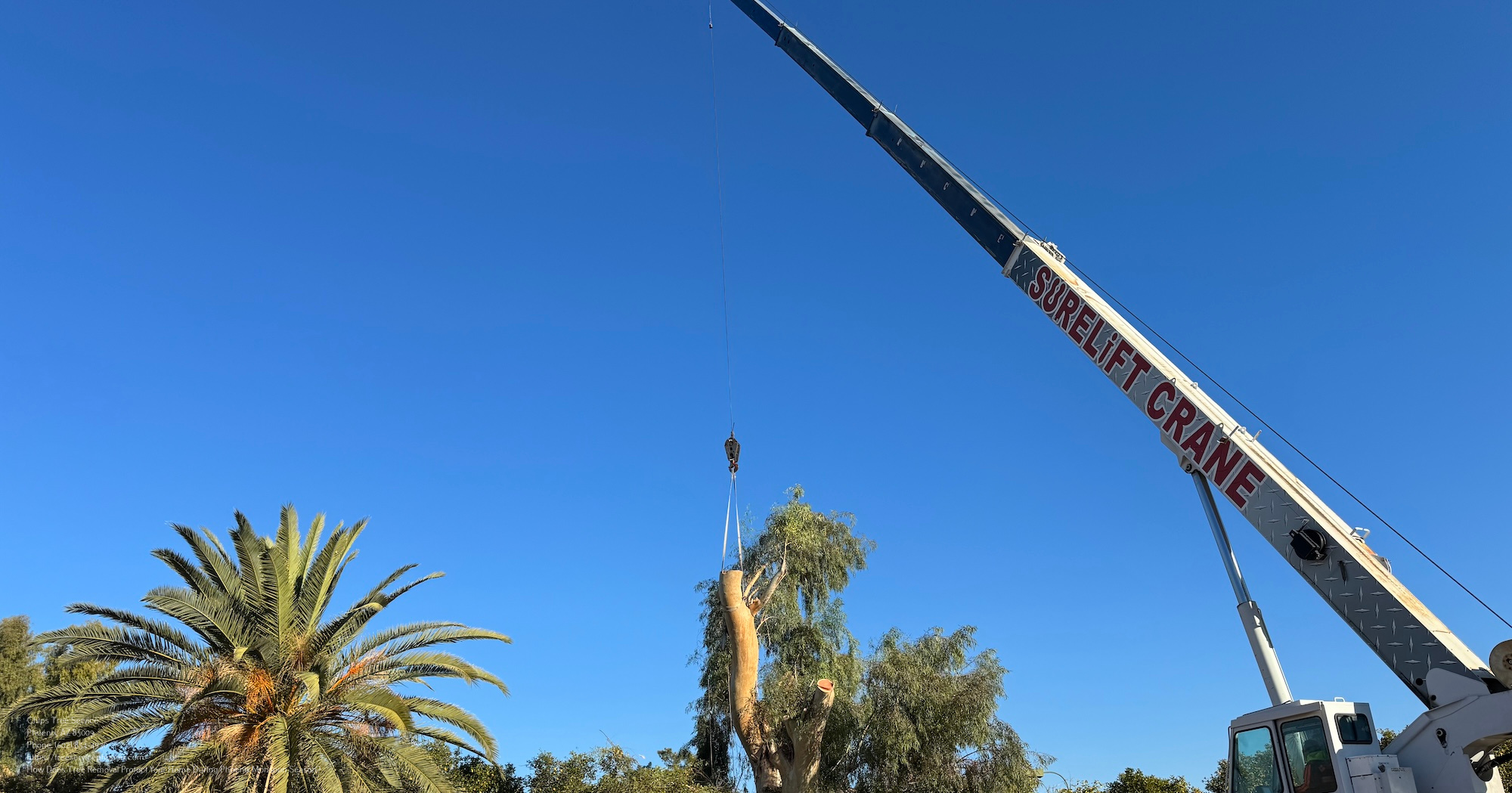
How Does Tree Removal Protect Your Home During Phoenix Monsoon Season?

Safeguarding Your Property When High Winds and Heavy Rains Strike the Valley Phoenix monsoon season brings powerful wind gusts, sudden down...